
How to Create a Professional Resume in 2025
Creating a resume today isn't the same as it was five years ago. Recruiters take less than ten seconds to decide if your resume moves to the next round, and automated systems review your document before it reaches human hands. If you're job hunting or thinking about switching, you need a resume that works in this context.
The Basic Structure That Actually Works
A good resume starts with your contact information. Seems obvious, but many people forget to include an updated phone number or use an unprofessional email. Your full name, phone, email, and city are enough. If you have LinkedIn, include it too.
Next comes the professional profile. Here you write three or four lines summarizing who you are professionally and what you're looking for. This isn't the moment to tell your life story, but to grab attention quickly. Think about what sets you apart and why someone should keep reading.
Work experience is the heart of the document. Present it in reverse chronological order, starting with your most recent job. For each position, include the company name, your title, dates, and a description of what you did. Here's the trick: don't make a boring list of tasks. Tell what you accomplished, with concrete data if you have it. "Increased sales by 30%" says much more than "sales manager."
Academic background comes next. If you've been working for years, you don't need to elaborate much here. Degree name, educational institution, and year. If you just finished your studies, you can include a relevant project or special mentions.
Technical skills have their own section. This is where software you handle, languages you speak, and certifications you have go. Be honest about your level because they'll test you on it.
What's Changed This Year
2025 resumes are cleaner visually but smarter in content. Recruiters value conciseness, so forget about including every job you've had since you were sixteen. If you've been working for more than ten years, focus on recent roles and summarize the rest in one line.
Keywords have become fundamental. Many companies use ATS systems that scan your resume looking for specific terms before a person sees it. Read the job posting carefully and use the same vocabulary that appears there. If they ask for "project management," write exactly that, not "initiative coordination." If you want to know more about this topic, we recommend reading our guide to optimize your resume for ATS systems.
The way to show accomplishments is also changing. Now measurable results are valued more. Instead of saying you managed a team, explain that you coordinated eight people for two years on a project that reduced operational costs. Numbers help dimension your real contribution.
Mistakes That Are Costing You Interviews
One of the most common mistakes is making a generic resume for all offers. Each position needs a tailored resume. You don't have to rewrite everything each time, but do adjust the professional profile and highlight the most relevant experience for that specific job.
Another typical error is the photo. In many countries, you're not expected to include a photograph, and in some it can even work against you due to discrimination issues. If the offer doesn't explicitly ask for it, better leave it out and gain space for useful content.
Spelling mistakes kill any chance. Seems unbelievable, but it keeps happening. Review your resume several times, use automatic correctors, and if possible, ask someone else to read it. A silly mistake can make it seem like you don't care about details.
Be careful also with excessive design. It's fine for your resume to be visually attractive, but if you overdo it with colors, weird fonts, or unnecessary graphics, you only distract from what's important. Keep it simple: good visual hierarchy, sufficient white space, and readable typography are more effective than any super elaborate template. If you need inspiration, check out our free resume templates that already have the perfect balance between design and functionality.
The Format Question
PDF is your best option almost always. It guarantees your resume will look the same on any device and operating system. Word can get messed up depending on the version used by whoever opens it, and other formats aren't even compatible with selection systems.
The ideal length remains one page if you have less than ten years of experience, and maximum two if your trajectory is longer. More than two pages is only justified for very senior or academic profiles. Remember you're competing for attention in a process where there are dozens or hundreds of candidates.
Practical Tips to Stand Out
Personalize each submission, even minimally. Change the professional profile to match what they're looking for, reorder your experiences putting the most relevant first for that offer, and adjust the highlighted skills.
Use action verbs at the beginning of each point: implemented, developed, coordinated, optimized. This gives dynamism and clarity to your professional narrative.
If you have gaps in your trajectory, don't hide them or invent dates. It's better to be transparent. Often these periods can be explained positively if you dedicated yourself to training, personal projects, or family care.
Keep your LinkedIn updated and consistent with your resume. Recruiters cross-reference information, and if they find contradictions, they get suspicious.
The Importance of Refreshing Your Resume
Even if you're not actively job hunting, review your resume at least every six months. Update recent accomplishments, new skills, responsibility changes. It's easier to add things little by little than trying to remember everything you did two years ago when you suddenly need the document.
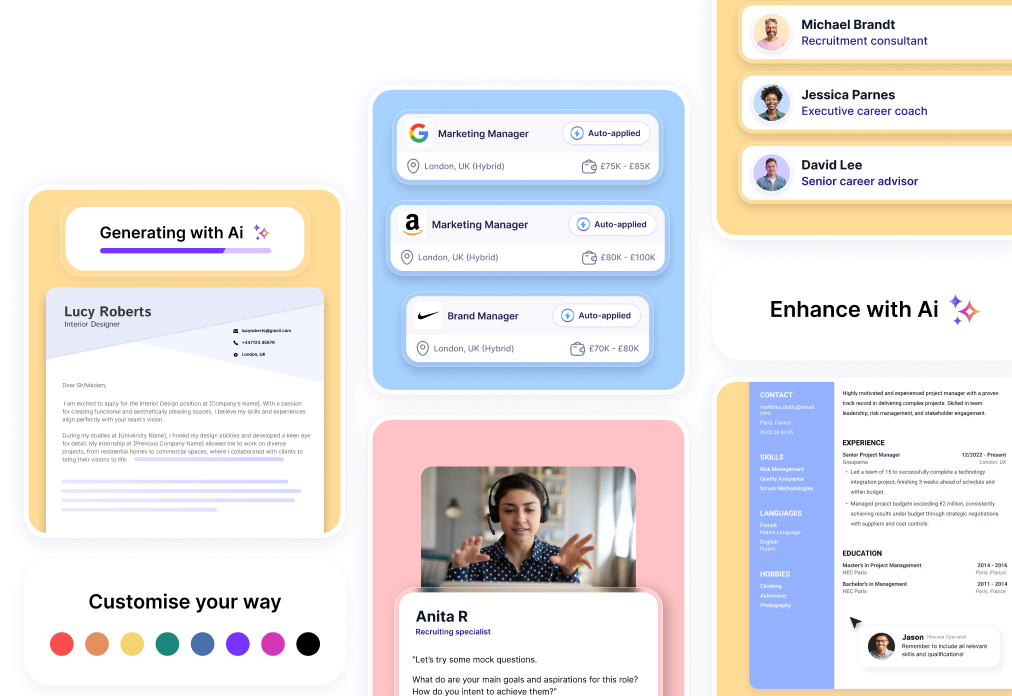
If you feel overwhelmed by the process or simply want to speed it up, you can try how to use AI to create your resume. Technology can give you a good starting point, although you'll always need to review and personalize it to sound genuine.
Your resume is your professional calling card. It doesn't need to be a design masterpiece or have you invent spectacular achievements. It just needs to clearly and honestly reflect who you are professionally and what value you can bring. With a bit of time dedicated to structuring it well and adapting it to each opportunity, the chances of getting interviews increase considerably.
Job hunting can be exhausting, we know. But a good resume is the first step to making your effort worthwhile. Take the necessary time to get it right, review it calmly, and adapt it to each opportunity that truly interests you. The job you deserve is out there, and a professional resume brings you a bit closer to it. Good luck with your search!