
Cover Letter: Examples and Free Templates
The cover letter remains that document many candidates underestimate or directly ignore. Some think it's an outdated formality, others don't know what to write and end up copying generic phrases from the internet. But when it's well done, a cover letter can make the difference between your application going unnoticed or the recruiter wanting to meet you.
Why It Still Matters in 2026
Although the job market has changed enormously in recent years, the cover letter maintains its value. It's not about repeating what your resume already says, but giving context and personality to your application. It's your opportunity to explain why that specific job interests you, what motivates you about that particular company, and how you fit what they're looking for.
Recruiters receive dozens of resumes that, on paper, meet the requirements. When two candidates have similar experience, the cover letter can tip the scales. It helps them understand who you are beyond dates and positions, and that counts.
What a Good Letter Should Include
Starting well is fundamental. The greeting should be direct and, if possible, personalized with the name of the selection manager. "Dear Human Resources Team" works if you don't have more information, but doing some research on LinkedIn to find who to address scores points.
In the first paragraph you need to hook quickly. Say what position interests you and how you learned about the vacancy. If someone from the company recommended you or if you've been following their work for a long time, mention it. That detail demonstrates genuine interest.
The body of the letter is where you play everything. Here you connect your experience with what they're asking for. Don't make a point-by-point summary of your resume. Choose two or three relevant accomplishments and tell how those experiences prepare you for this role. If the offer seeks someone with ability to work in teams, briefly explain a project where you coordinated with other departments and what was achieved.
It's also the moment to show you know the company. You don't need a whole paragraph of research, but a sentence that reflects you understand their sector, values, or recent objectives makes your letter not seem like copy-paste. If they're expanding to new markets and you have experience in internationalization, connect it.
The closing should be proactive but without sounding desperate. Thank them for the time dedicated to reading your application and show willingness to expand information in an interview. Avoid overly formal goodbyes that sound robotic. A "I remain at your disposal for any questions" works better than last century's formulas.
Common Mistakes to Avoid
The biggest mistake is the generic letter. If you send exactly the same text to ten different companies changing only the name, it shows. Recruiters have experience reading these things and instantly detect when something isn't personalized.
Another typical mistake is extending too much. Your letter shouldn't exceed one page. If the recruiter has to scroll more than once, they'll probably stop reading. Get to the point and be concrete.
Be careful with the tone. It should be professional but human. If you sound like a corporate manual, you bore. If you're too informal, you can give an unserious impression. Find the balance: cordial, close, but respecting the professional context.
Spelling mistakes are unacceptable. Proofread several times, use correctors, and ask someone to read it before sending. Such an error can make them discard your application without even looking at your resume.
Templates That Work
Having a base template saves time, but remember you always have to adapt it. An effective structure could be this:
Start with your contact information at the top, same as your resume. Below, the date and the company's or person's information you're addressing the letter to.
Personalized greeting followed by an introduction mentioning the position and where you saw the offer. If someone referred you, it goes here.
Two or three central paragraphs where you connect your experience with their needs. Use concrete examples and measurable results when possible. If you increased process efficiency, say how much. If you managed a budget, mention the figure if it's relevant.
A paragraph about why that company specifically interests you. This demonstrates you've researched and aren't sending your application blindly.
Closing thanking and expressing interest in continuing the conversation. Sign with your full name.
If you want to delve deeper into specific techniques, our guide on how to write an effective cover letter can help, where we go into more detail on each section.
Examples According to Your Situation
Your letter changes depending on the professional moment you're in. If you just finished your studies and have little work experience, focus on relevant academic projects, internships you've done, or transferable skills you developed in other contexts.
If you're changing sectors, you need to explain the why of the change and demonstrate that, although your experience is different, you have applicable competencies to the new field. This is where transversal accomplishments shine: leadership, problem-solving, project management.
For senior positions, the letter should reflect strategic vision. Don't limit yourself to telling what you did, but the impact you had on the organization. Recruiters seek to understand how you think and how you could contribute at that level.
The Format and Submission Question
Most cover letters are sent by email, so format matters. If you attach it as a separate file, PDF is safest. If you include it in the email body, let it be the first part of the message, before any additional greeting.
The email subject also counts. Something like "Application for [position] - [Your name]" is clear and professional. Avoid vague subjects like "Job application" that don't provide information.
When the company uses an online application platform, read the instructions carefully. Some have specific fields for the letter, others let you attach it. Make sure to follow exactly the process they indicate.
Using Technology to Your Advantage
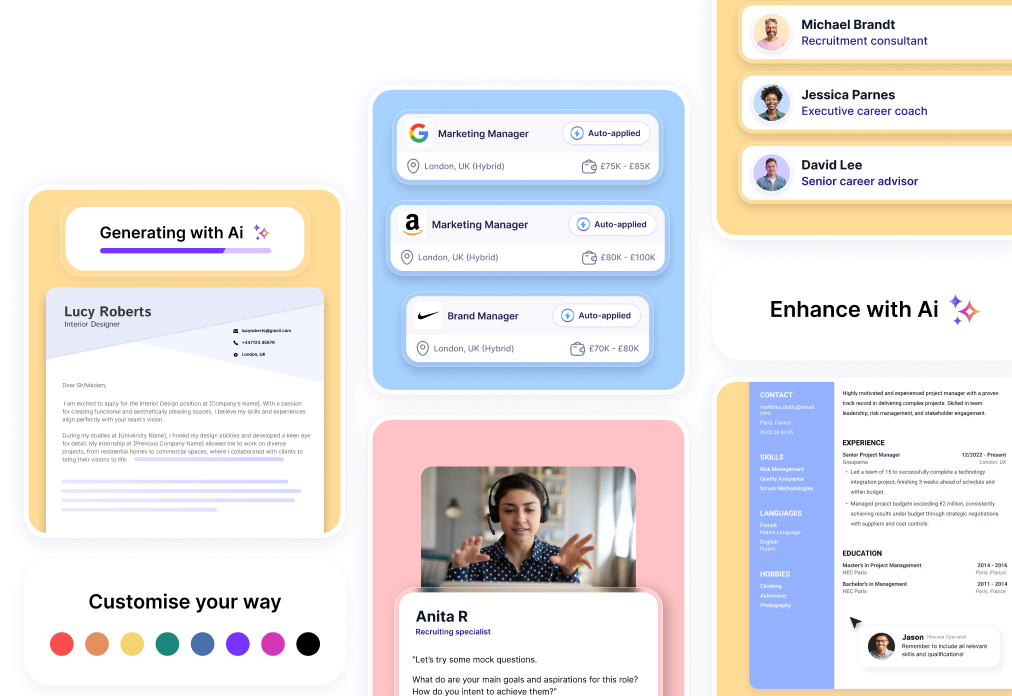
Artificial intelligence tools can give you ideas or help with initial drafts, but your final letter needs to sound like you. If you decide to use AI, edit the result until it reflects your voice and real experience. Experienced recruiters detect automatically generated texts that haven't been personalized.
If you're interested in exploring how technology can speed up this process without losing authenticity, check out how to use AI to create your resume, where we explain the balance between leveraging digital tools and maintaining your personal touch.
The Letter as Part of the Whole
Your cover letter doesn't exist in isolation. It works together with your professional resume and LinkedIn profile. All three must tell the same story consistently. If in your letter you mention a specific accomplishment, make sure it also appears in your resume. If you say you master certain tools, let them be listed in your profile.
Consistency generates trust. Recruiters cross-reference information, and any contradiction raises doubts about your application.
Writing a good cover letter takes time, but it's an investment worth making. It's not about creating a perfect and universal document, but adapting your message to each opportunity that truly interests you. When you do it well, you not only demonstrate your professional capabilities, you also show that this particular job matters to you. And that, in the end, is what makes a recruiter want to meet you. Courage with your search, the right opportunity will come.